Browsing Tag

anointed

Still Small Voice

Holy Oil

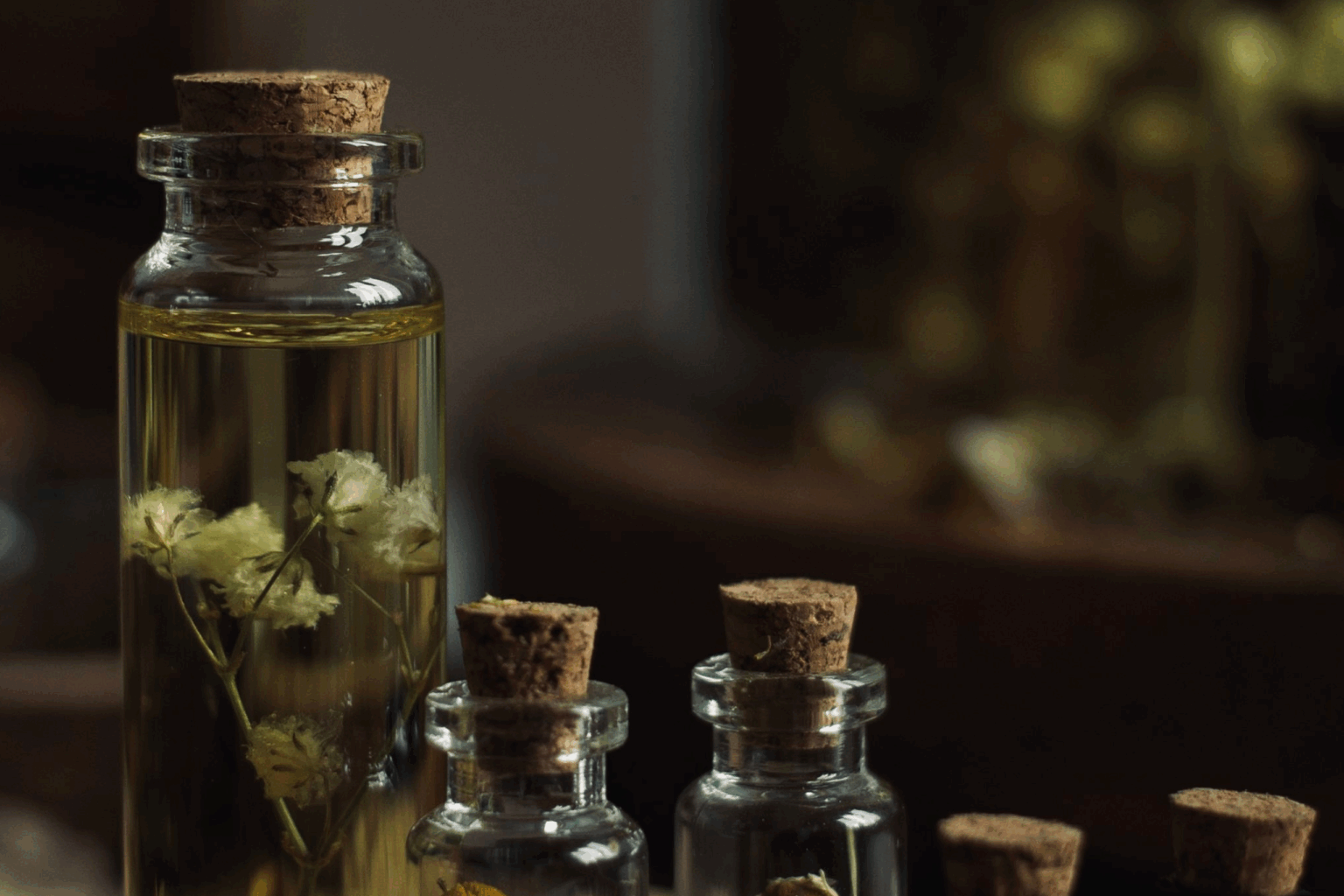
Let me anoint you with the oil of gladness. Your heart is tender and sometimes raw from the suffering. Let me soothe you with my love and comfort. Let me mend your broken and weary heart. You need rest, dear one, rest from all your worries and anxieties. You need rest from all your doings. All I ask is that you come to me. Lay your burdens at my feet. Let me heal you; restore you. Let me in. Once I’m in, all things must bow before me. There will be no room for anything else. Surrender to my love and allow my holy presence to consume all your hurting places. Let my oil gush over you and lighten your heart. I want you to leap for joy at the wonders I will reveal to you—the beauty you will hold when you release all the ashes. It is time to release all your pain to me. I will heal you. I will consume all the dross with my holy fire. You are set apart and anointed to carry my Holy Spirit with joy and faith. Everything I have for you is available once you release what I have not given you.

You have loved righteousness and hated wickedness; Therefore God, Your God, has anointed You with the oil of joy above Your companions. —Psalm 45:7, NASB

To all who mourn in Israel, he will give a crown of beauty for ashes, a joyous blessing instead of mourning, festive praise instead of despair. In their righteousness, they will be like great oaks that the LORD has planted for his own glory. —Isaiah 61:3, NLT

But you are a chosen generation, a royal priesthood, a holy nation, His own special people, that you may proclaim the praises of Him who called you out of darkness into His marvelous light. —1 Peter 2:9, NKJV

Déjame ungirte con el óleo de la alegría. Tu corazón está tierno y a veces enconado por el sufrimiento. Déjame consolarte con mi amor y consuelo. Déjame sanar tu corazón roto y cansado. Necesitas descanso, querido, descanso de todas tus preocupaciones y ansiedades. Necesitas descanso de todas tus acciones. Solo te pido que vengas a mí. Deja tus cargas a mis pies. Déjame sanarte; restaurarte. Déjame entrar. Una vez que esté dentro, todo debe inclinarse ante mí. No habrá espacio para nada más. Entrégate a mi amor y permite que mi santa presencia consuma todo tu dolor. Deja que mi óleo te inunde y alivie tu corazón. Quiero que saltes de alegría ante las maravillas que te revelaré: la belleza que albergarás cuando liberes todas las cenizas. Es hora de entregarme todo tu dolor. Te sanaré. Consumiré toda la escoria con mi fuego sagrado. Estás apartado y ungido para llevar mi Espíritu Santo con alegría y fe. Todo lo que tengo para ti está disponible una vez que me entregues lo que no te he dado.

Has amado la justicia y aborrecido la maldad; por eso Dios, tu Dios, te ha ungido con óleo de alegría más que a tus compañeros. —Salmo 45:7 (NVI)

A todos los que lloran en Israel, él les dará una corona de hermosura en lugar de ceniza, una bendición gozosa en lugar de luto, una alabanza festiva en lugar de desesperación. En su justicia, serán como grandes robles que el Señor ha plantado para su gloria. —Isaías 61:3 (NTV)

Pero ustedes son linaje escogido, real sacerdocio, nación santa, pueblo adquirido por Dios, para que anuncien las virtudes de aquel que los llamó de las tinieblas a su luz admirable. —1 Pedro 2:9 (NVI)

Devotional

Always at His feet

Martha and Lazarus had a sister named Mary (of Bethany). Her name derived from the Hebrew name Miriam, which could mean beloved or bitter. It sounds like the way our lives can turn out with one pivotal choice —what we decide to do with Jesus. Two extremes were dependent on one choice.

Mary made the choice. She drew near to Jesus and her favorite nook of Him was His feet. And her relationship with Him progressed in degrees of revelation and eternal impact.

Mary first chose to sit at Jesus’ feet as teacher. Even while Martha scurried back and forth, serving in other ways, and complaining to Him that Mary wasn’t helping, she stayed put and focused. She didn’t defend her choice, but Jesus lauded her for it. He said that only one thing is necessary, and Mary chose the ‘good part’ and that it would not be taken from her.

 Mary then chose to fall at Jesus’ feet as Lord. When Jesus came to her home after her brother Lazarus had been dead for 4 days, she prostrated herself at His feet and declared His majesty through her confidence that if He had been present, her brother would not have died. Even in the midst of her suffering, she had faith in Him. And her faith manifested in substance, when He called “Lazarus, come forth,” after weeping with her.

Mary finally chose to anoint Jesus’ feet as the Messiah. She used what was equivalent to 300 days of wages in the form of spikenard to prophetically anoint his feet. The feet that would willingly walk to His death and be pierced on a cross for her eternal salvation and ours.

Now it happened as they went that He entered a certain village; and a certain woman named Martha welcomed Him into her house. And she had a sister called Mary, who also sat at Jesus’ feet and heard His word. But Martha was distracted with much serving, and she approached Him and said, “Lord, do You not care that my sister has left me to serve alone? Therefore tell her to help me.” And Jesus answered and said to her, “Martha, Martha, you are worried and troubled about many things. But one thing is needed, and Mary has chosen that good part, which will not be taken away from her.” —Luke 10:38-42, NKJV

Then, when Mary came where Jesus was, and saw Him, she fell down at His feet, saying to Him, “Lord, if You had been here, my brother would not have died.” —John 11:32, NKJV

Then, six days before the Passover, Jesus came to Bethany, where Lazarus was who had been dead, whom He had raised from the dead. There they made Him a supper; and Martha served, but Lazarus was one of those who sat at the table with Him. Then Mary took a pound of very costly oil of spikenard, anointed the feet of Jesus, and wiped His feet with her hair. And the house was filled with the fragrance of the oil. But one of His disciples, Judas Iscariot, Simon’s son, who would betray Him, said, “Why was this fragrant oil not sold for three hundred denarii and given to the poor?” This he said, not that he cared for the poor, but because he was a thief, and had the money box; and he used to take what was put in it. But Jesus said, “Let her alone; she has kept this for the day of My burial. For the poor you have with you always, but Me you do not have always.” —John 12:1-8, NKJV

Marta y Lázaro tenían una hermana llamada María (de Betania). Su nombre deriva del nombre hebreo Miriam, que puede significar amada o amargada. Suena como la forma en que nuestras vidas pueden resultar con una elección fundamental: lo que decidimos hacer con Jesús. Dos extremos que dependen de una elección.

María tomó la decisión. Se acercó a Jesús y su rincón favorito de Él eran Sus pies. Y su relación con Él progresó en grados de revelación e impacto eterno.

María primero eligió sentarse a los pies de Jesús como maestro. Incluso mientras Marta corría de un lado a otro sirviendo de otras maneras y se quejaba con Él de que María no estaba ayudando, ella se quedó quieta y enfocada. No defendió su elección, pero Jesús la elogió por ello. Dijo que solo una cosa es necesaria, y María eligió la “parte buena” y que no le sería quitada.

María luego eligió caer a los pies de Jesús como Señor. Cuando Jesús llegó a su casa después de que su hermano Lázaro había estado muerto durante 4 días, ella se postró a sus pies y declaró Su majestad a través de su confianza de que si Él hubiera estado presente, su hermano no habría muerto. Incluso en medio de su sufrimiento, ella tenía fe en Él. Y su fe se manifestó en sustancia, cuando Él llamó, “Lázaro, ven fuera”, después de llorar con ella.

María finalmente eligió ungir los pies de Jesús como el Mesías. Ella utilizó lo que era equivalente a 300 días de salario en forma de nardo para ungir proféticamente sus pies. Los pies que voluntariamente caminarían hacia Su muerte y serían traspasados ​​​​en una cruz para su salvación eterna, y la nuestra.

Sucedió que mientras iban de camino, Jesús entró en una aldea; y una mujer llamada Marta lo recibió en su casa. Esta tenía una hermana llamada María, la cual, sentada a los pies de Jesús, escuchaba su palabra. Pero Marta estaba preocupada con muchos quehaceres, y acercándose a Jesús, le dijo: Señor, ¿no te importa que mi hermana me deje servir sola? Dile, pues, que me ayude. Jesús le respondió: Marta, Marta, estás afanada y turbada por muchas cosas; pero una sola cosa es necesaria, y María ha escogido la buena parte, la cual no le será quitada. —Lucas 10:38-42

Entonces María llegó donde estaba Jesús, y al verlo, se postró a sus pies, diciéndole: «Señor, si hubieras estado aquí, mi hermano no habría muerto». —Juan 11:32

Seis días antes de la Pascua, Jesús llegó a Betania, donde estaba Lázaro, el que había estado muerto y a quien había resucitado. Allí le ofrecieron una cena; Marta servía, pero Lázaro era uno de los que estaban a la mesa con él. María tomó una libra de perfume de nardo puro, muy costoso, ungió los pies de Jesús y los secó con sus cabellos. La casa se llenó del olor del perfume. Pero uno de sus discípulos, Judas Iscariote, hijo de Simón, el que lo iba a entregar, dijo: «¿Por qué no se vendió este perfume por trescientos denarios y se dio a los pobres?» Esto dijo, no porque le importaran los pobres, sino porque era ladrón y tenía la bolsa del dinero, y se llevaba de lo que se echaba en ella. Pero Jesús dijo: «Déjala; ha guardado esto para el día de mi sepultura. Porque a los pobres siempre los tendréis con vosotros, pero a mí no siempre me tendréis.» —Juan 12:1-8, NVI